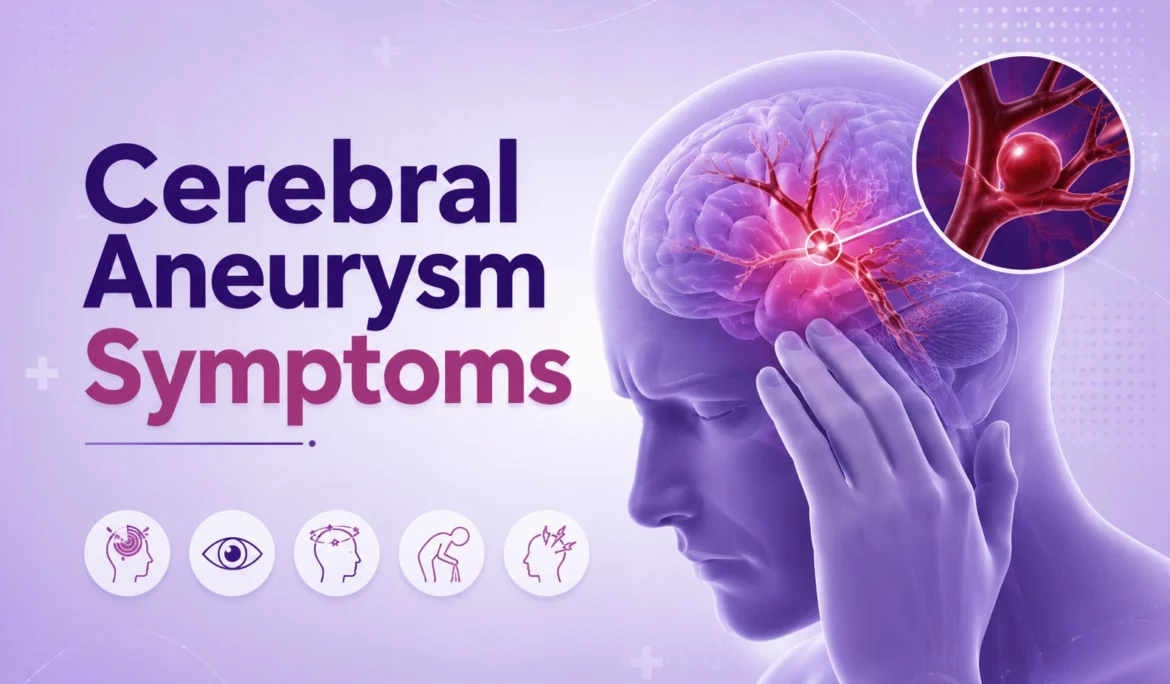
Approximately 3–5% of the population may have a cerebral aneurysm, yet many remain unaware of the condition until symptoms appear or a rupture occurs. A cerebral aneurysm is a weakened area in the wall of a brain artery that bulges outward, creating a balloon-like swelling. While some aneurysms remain stable for years without causing problems, others can enlarge or rupture, leading to a potentially life-threatening medical emergency.
The challenge with cerebral aneurysms is that they often develop silently. Unruptured aneurysms may cause mild symptoms such as headaches, vision changes, or facial numbness, while a ruptured aneurysm can trigger a sudden, severe headache often described as the worst headache of a person’s life. Without prompt treatment, rupture can result in bleeding around the brain, neurological damage, or even death.
Understanding the causes, symptoms, risk factors, and treatment options is essential for early detection and timely intervention. This article explains cerebral aneurysm symptoms, rupture warning signs, diagnosis, treatment options, and when to consult a neurosurgery specialist in Delhi for expert care.
What Is a Cerebral Aneurysm?
A cerebral aneurysm is a weakened and bulging area in the wall of a blood vessel within the brain. Over time, pressure from circulating blood can cause this weakened section of the artery to balloon outward, creating an aneurysm. While many aneurysms remain small and stable, some may enlarge and increase the risk of rupture.
How Does a Cerebral Aneurysm Develop?
The walls of brain arteries are designed to withstand constant blood flow. However, certain factors such as high blood pressure, smoking, genetic predisposition, and age-related changes can weaken the vessel wall. As the weakened area expands, it forms a pouch-like protrusion known as an aneurysm.
Ruptured vs Unruptured Cerebral Aneurysm
| Unruptured Cerebral Aneurysm | Ruptured Cerebral Aneurysm |
| May cause no symptoms | Causes bleeding around the brain |
| Often discovered during imaging | Medical emergency |
| Can be monitored in selected cases | Requires immediate treatment |
| May cause headaches or vision changes | Often causes sudden severe headache |
When a cerebral aneurysm ruptures, blood leaks into the space surrounding the brain, resulting in a condition called subarachnoid haemorrhage. This can lead to permanent damage and requires urgent medical attention from a neurosurgery specialist.
Cerebral Aneurysm Causes
High blood pressure is one of the most important modifiable risk factors for cerebral aneurysm formation and rupture. While the exact cause of every aneurysm is not always known, most develop when a section of a brain artery becomes weakened and gradually bulges under the pressure of circulating blood.
Common Causes of Cerebral Aneurysm
- High Blood Pressure: Increases stress on artery walls, leading to weakening over time
- Smoking: Damages blood vessels and increases rupture risk
- Genetic Factors: Certain inherited conditions affect blood vessel strength
- Ageing: Natural wear and tear may weaken arteries
- Head Trauma: Severe injuries can damage blood vessel walls
- Connective Tissue Disorders: Conditions affecting collagen may increase aneurysm risk
- Atherosclerosis: Hardening of arteries can weaken vessel walls
- Drug Abuse: Certain substances can significantly raise blood pressure
The Role of High Blood Pressure
Persistent hypertension places continuous pressure on blood vessel walls. Over many years, this stress can weaken arteries in the brain and contribute to aneurysm formation. Uncontrolled blood pressure is also associated with an increased risk of aneurysm rupture.
Smoking and Cerebral Aneurysms
Smoking is one of the strongest lifestyle-related risk factors. Chemicals in tobacco smoke can damage the inner lining of blood vessels, promote inflammation, and reduce the elasticity of arterial walls. Smokers are more likely to develop aneurysms and experience rupture compared to non-smokers.
Genetic and Family Factors
Some cerebral aneurysms occur in individuals with a family history of the condition. Inherited disorders that affect connective tissues and blood vessels can also increase susceptibility.
Examples include:
- Polycystic kidney disease
- Ehlers-Danlos syndrome
- Fibromuscular dysplasia
- Certain inherited vascular disorders
People with a close family member who has experienced a cerebral aneurysm may benefit from discussing screening options with a neurosurgery specialist.
Cerebral Aneurysm Symptoms
Many unruptured cerebral aneurysms do not cause symptoms and are discovered incidentally during brain imaging. However, as an aneurysm enlarges, it can place pressure on nearby nerves and brain structures, leading to noticeable neurological symptoms.
The type and severity of symptoms often depend on the aneurysm’s size, location, and whether it is pressing against surrounding tissues.
Common Symptoms of an Unruptured Cerebral Aneurysm
- Headache
- Vision Changes
- Pain Around the Eye
- Dilated Pupil
- Facial Numbness
- Drooping Eyelid
- Balance Problems
- Difficulty Concentrating
Who Is at Risk of a Cerebral Aneurysm?
Women over the age of 40 are diagnosed with cerebral aneurysms more frequently than men, highlighting the role that age and biological factors can play in aneurysm development. While a cerebral aneurysm can occur in anyone, certain medical conditions, lifestyle factors, and inherited traits significantly increase the risk.
Major Risk Factors for Cerebral Aneurysm
- High Blood Pressure
- Smoking
- Family History of Aneurysm
- Age Over 40 Years
- Female Gender
- Excessive Alcohol Use
- Drug Abuse
- Previous Aneurysm
- Connective Tissue Disorders
Can Risk Be Reduced?
Although some risk factors such as age and genetics cannot be changed, several preventive measures may help lower the risk of aneurysm development or rupture:
- Maintain healthy blood pressure levels
- Stop smoking
- Limit alcohol consumption
- Exercise regularly
- Follow a heart-healthy diet
- Attend routine health check-ups
People with multiple risk factors, a family history of aneurysms, or unexplained neurological symptoms should consider consulting a neurosurgery specialist in Delhi for further evaluation and guidance.
Diagnosis and Imaging Tests
Modern imaging techniques can detect cerebral aneurysms measuring only a few millimetres, making early diagnosis possible before rupture occurs. Because many aneurysms do not produce symptoms, imaging plays a critical role in identifying the condition and determining the most appropriate treatment approach.
When a cerebral aneurysm is suspected, a neurosurgeon or neurologist will begin with a detailed medical history and neurological examination. Additional tests are then used to confirm the diagnosis, assess the aneurysm’s size and location, and evaluate the risk of rupture.
Common Diagnostic Tests for Cerebral Aneurysm
- CT Scan
- MRI Scan
- CT Angiography (CTA)
- MR Angiography (MRA)
- Cerebral Angiography
- Neurological Examination
Why Early Diagnosis Matters
Many cerebral aneurysms can be treated before rupture occurs if they are identified early. Individuals experiencing persistent headaches, vision changes, facial numbness, or other neurological symptoms should seek medical evaluation promptly.
For patients with risk factors such as high blood pressure, smoking, or a family history of aneurysms, early assessment by a neurosurgery specialist in Delhi can help detect problems before serious complications develop.
Cerebral Aneurysm Treatment
Treatment decisions for a cerebral aneurysm depend on several factors, including its size, location, shape, symptoms, and risk of rupture. Not every aneurysm requires immediate surgery. In some cases, doctors may recommend careful monitoring, while others may require urgent intervention to prevent life-threatening complications.
Medical Management
Although medications cannot eliminate an aneurysm, they can help reduce factors that increase rupture risk.
Medical treatment may include:
- Blood pressure control medications
- Pain management for headaches
- Treatment of associated medical conditions
- Lifestyle modifications to improve vascular health
Managing hypertension is particularly important because elevated blood pressure places additional stress on weakened artery walls.
Endovascular Treatment
Endovascular procedures are minimally invasive techniques performed through a catheter inserted into a blood vessel, usually in the groin or wrist.
Common endovascular treatments include:
- Endovascular coiling
- Flow diversion devices
- Stent-assisted procedures
These techniques help isolate the aneurysm from normal blood circulation, reducing the risk of rupture while preserving blood flow through surrounding arteries.
NeuroSurgery in Dwarka, Delhi
Surgical clipping remains a well-established treatment option for selected aneurysms.
During the procedure:
- A neurosurgeon accesses the aneurysm through a small opening in the skull.
- A tiny metal clip is placed at the base of the aneurysm.
- The clip permanently blocks blood flow into the aneurysm.
This prevents future rupture while maintaining circulation through the parent artery.
A cerebral aneurysm can remain silent for years, but timely diagnosis and treatment can significantly reduce the risk of rupture and serious neurological complications. Recognising early symptoms, understanding risk factors, and seeking prompt specialist care are essential for protecting long-term brain health.
If you are experiencing any of the symptoms don’t delay evaluation. At Center for Brain and Spine, our experienced neurosurgeons provide advanced diagnostic imaging, personalised treatment planning, and comprehensive neurosurgical care. Schedule a consultation today for expert assessment and treatment tailored to your needs.