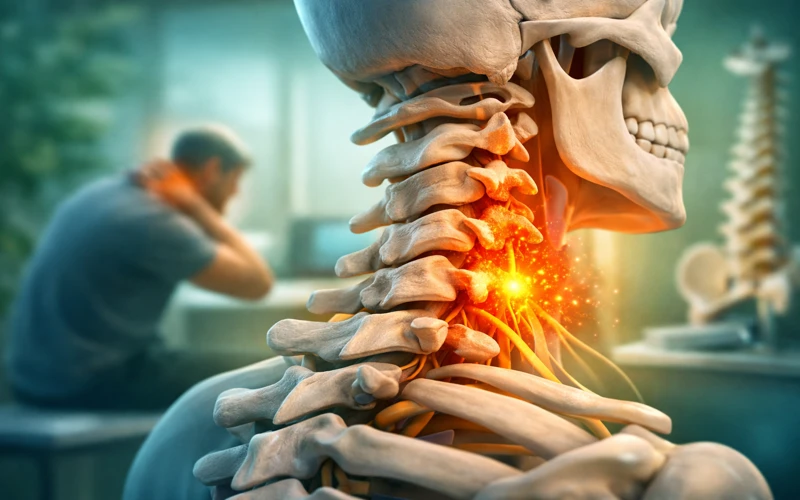
More than 85% of people older than 60 years show signs of cervical spondylosis on imaging, making it one of the most common age-related spine conditions.
Spondylosis refers to the gradual degeneration of the spinal discs, joints, and bones that occurs with aging and long-term stress on the spine. The condition most commonly affects the cervical spine (neck) and may lead to symptoms such as neck pain, stiffness, headaches, and sometimes numbness or weakness in the arms when nerves become compressed.
Patients in and across Delhi develop cervical spondylosis due to factors such as prolonged desk work, poor posture, aging of spinal discs, or previous neck injury. In early stages, the condition cause only mild stiffness or discomfort. As degeneration progresses, pressure on nearby nerves or the spinal cord may produce neurological symptoms.
Treatment for spondylosis usually begins with non-surgical approaches such as physiotherapy, posture correction, and exercises. However, when symptoms persist for 6–12 weeks despite conservative treatment, or when nerve compression causes weakness or numbness, doctors may recommend spondylosis surgery to relieve pressure on the spinal nerves.
Spondylosis Meaning and Symptoms in Patients in Delhi
Spondylosis refers to the degeneration of the spine caused by wear and tear of the spinal discs and joints. Over time, the soft discs between the vertebrae lose hydration and flexibility. This process causes the vertebrae to move closer together and may lead to the formation of bone spurs that can irritate nearby nerves.
Common Symptoms of Spondylosis
About 1 in 10 people with cervical spondylosis develop symptoms related to nerve irritation or spinal degeneration.
Patients commonly experience the following symptoms:
- Persistent neck pain
- Neck stiffness, especially after long periods of sitting
- Headaches originating from the neck
- Pain radiating to shoulders or arms
- Numbness or tingling in the arms or hands
- Muscle weakness in severe cases
How Symptoms of spondylosis Progress
Spondylosis often develops slowly over many years. Early stages may cause only mild discomfort or stiffness. As degeneration progresses, the condition may lead to nerve compression or spinal cord pressure, which can produce neurological symptoms such as arm weakness, coordination problems, or balance difficulty.
Persistent symptoms or worsening neurological signs may require evaluation by a neurosurgery specialist in Dwarka or a neurosurgeon in Delhi to determine whether advanced treatment or surgery is necessary.
Common Causes of Spondylosis in Adults in Delhi
Spinal disc degeneration commonly begins after age 40, and the risk of developing spondylosis increases as the spine experiences long-term wear and tear.
Spondylosis develops when the intervertebral discs and joints of the spine gradually deteriorate. As discs lose water content and flexibility, the vertebrae move closer together and bone spurs may form. These structural changes can irritate nearby nerves or the spinal cord.
Several factors contribute to the development of spondylosis in adults living in Dwarka and other parts of Delhi.
Age-Related Degeneration
Aging is the most common cause of spondylosis. Over time, the spinal discs that act as cushions between vertebrae gradually lose hydration and elasticity. This process reduces the spine’s ability to absorb mechanical stress, which may lead to stiffness and pain in the neck or back.
Poor Posture and Prolonged Sitting
Many adults in Delhi spend long hours working on computers, laptops, or smartphones. Poor sitting posture and forward head position increase pressure on the cervical spine and accelerate disc degeneration.
Repetitive Neck Strain
Frequent neck movements or repetitive strain can contribute to spinal wear.
Certain activities may increase the risk, including:
- Continuous computer work
- Frequent mobile phone use
- Occupations requiring repetitive neck movement
Over time, these movements may place extra stress on the cervical vertebrae.
Previous Neck Injury
Past trauma to the neck can increase the likelihood of developing spondylosis later in life.
Injuries such as whiplash from road accidents or sports injuries may damage spinal discs or ligaments. These injuries can accelerate degenerative problems in the spine.
Spondylosis Neck Exercises Recommended in Delhi
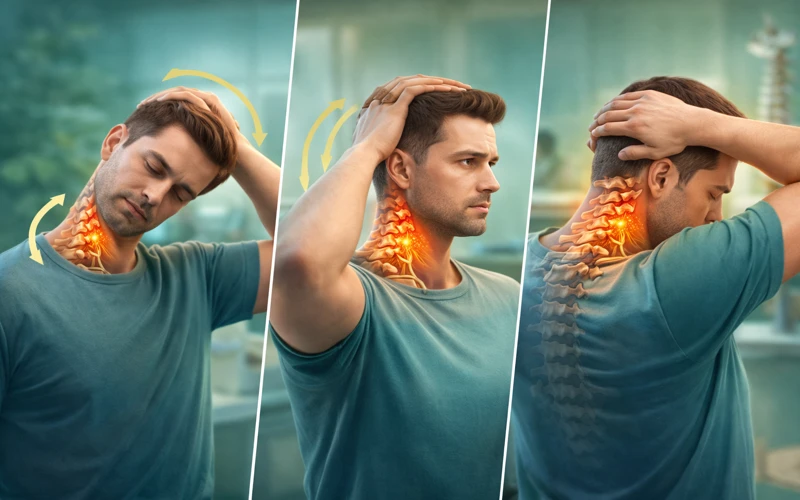
Degenerative spinal changes often begin after age 40, and regular neck exercises help maintain spinal flexibility and reduce stiffness caused by cervical spondylosis.
Doctors and physiotherapists often recommend gentle neck exercises to improve mobility and strengthen muscles that support the cervical spine. These exercises may reduce pressure on spinal joints and help maintain posture.
Neck Stretching Exercise
Gentle stretching helps improve flexibility in the neck muscles and surrounding ligaments.
Basic neck stretch steps:
- Sit or stand with the spine straight and shoulders relaxed.
- Slowly tilt the head toward one shoulder.
- Hold the position for 5–10 seconds.
- Return to the starting position and repeat on the opposite side.
This exercise helps loosen tight neck muscles and improves movement of the cervical spine.
Chin Tuck Exercise
The chin tuck exercise strengthens muscles that stabilize the neck.
Steps for chin tuck:
- Sit upright with your back against a chair or wall.
- Gently pull the chin backward as if making a double chin.
- Hold for 5 seconds and relax.
This movement helps correct forward head posture, which commonly contributes to cervical spondylosis.
Neck Rotation Exercise
Controlled neck rotation improves joint mobility and reduces stiffness.
Exercise method:
- Sit comfortably with the spine straight.
- Slowly turn the head to the right side.
- Hold the position for 5 seconds.
- Return to center and repeat on the left side.
This exercise helps maintain flexibility in cervical vertebrae.
Posture Correction
Posture plays a major role in preventing worsening of spondylosis.
Patients in Dwarka and across Delhi who work long hours on computers should:
- Keep the screen at eye level
- Maintain a straight back posture
- Avoid bending the neck forward for prolonged periods
Treatment for Spondylosis without surgery in Delhi
Most patients with cervical spondylosis improve with conservative treatment before surgery becomes necessary, especially during the early stages of spinal degeneration.
Non-surgical treatments focus on reducing pain, improving spinal mobility, and preventing further degeneration. Doctors in Delhi recommend a combination of medication, physiotherapy, and lifestyle adjustments to manage symptoms.
Pain Relief Medicines
Doctors may prescribe medications to reduce inflammation and relieve pain associated with cervical spondylosis.
Common medications include:
- Non-steroidal anti-inflammatory drugs (NSAIDs)
- Muscle relaxants for neck stiffness
- Short-term pain relievers for severe discomfort
These medicines help reduce inflammation around spinal joints and nerves.
Physiotherapy Treatment for spondylosis and spine issues
Physiotherapy is one of the most effective treatments for early spondylosis.
A physiotherapist may guide patients through exercises that help:
- Strengthen neck and shoulder muscles
- Improve spinal flexibility
- Reduce pressure on cervical vertebrae
Regular physiotherapy sessions help restore movement and support the spine.
Cervical Support and Ergonomic Changes
Proper neck support plays an important role in managing spondylosis symptoms.
Doctors often recommend:
- Cervical pillows for sleeping
- Ergonomic chairs for desk work
- Proper screen height while using computers
These changes reduce strain on the cervical spine and help prevent worsening of symptoms.
Lifestyle and Activity Modification
Lifestyle adjustments may reduce pressure on the spine.
Patients may benefit from:
- Taking frequent breaks during computer work
- Avoiding prolonged neck bending
- Maintaining regular physical activity
These habits help reduce stress on spinal joints and muscles.
When Surgery for spondylosis is needed
Symptoms that continue for 6–12 weeks despite conservative treatment may require surgical evaluation.
Patients experiencing persistent pain, arm weakness, or numbness should consult a neurosurgery specialist in Dwarka or a neurosurgeon in Delhi to determine whether advanced treatment or surgery is necessary.
Spondylosis develops when the spinal discs and joints gradually wear down with age or long-term strain. Many patients initially experience mild symptoms such as neck stiffness, headaches, or shoulder discomfort. As the condition progresses, nerve compression may lead to symptoms like arm pain, numbness, tingling, or muscle weakness.
Early stages of spondylosis often improve with physiotherapy, posture correction, exercises, and medication. However, persistent symptoms, neurological weakness, or spinal cord compression may require advanced treatment such as spondylosis surgery to relieve pressure on nerves and restore spinal stability.
Understanding the symptoms, causes, and treatment options helps patients decide when to seek expert evaluation from a spine specialist.
At Center for Brain and Spine, experienced spine and neurosurgery specialists provide diagnosis and treatment for spinal conditions.
A consultation may include clinical examination, neurological assessment, and imaging tests such as MRI or CT scan to determine the exact cause of spinal symptoms.
Patients searching for a neurosurgeon in Delhi, neurosurgery specialist in Dwarka, or spondylosis surgery in Delhi can consult the specialists at Center for Brain and Spine for comprehensive evaluation and personalized treatment planning.