Status epilepticus is one of those medical terms that sounds distant until it touches a family. Many people hear the word “seizure” and think it ends fast. But some seizures do not stop. Some keep going and place the brain in real danger. This long seizure episode is called status epilepticus, and it always needs urgent care. A neurosurgery specialist in Delhi explains that the brain cannot stay safe during a seizure that lasts too long. The cells feel stress. The blood flow changes. The oxygen drops fast. The risks rise, minute by minute.
Families often feel shocked when doctors explain the emergency. They wonder if status epilepticus is rare. They ask if it can cause long-term harm. They worry if their loved one needs surgery or long treatment. These questions are fair, because the condition can move fast, and early action saves brain function.
This article breaks down every key part in simple language. You will understand why it is dangerous, what the symptoms look like, how doctors diagnose it, and how hospitals plan care.
Why Status Epilepticus needs urgent treatment care?
A seizure becomes status epilepticus when it lasts more than five minutes. In some cases, many seizures come one after another with no recovery time. The brain enters a cycle that it cannot handle for long. A neurosurgeon in Delhi will often say that time decides outcome here. The sooner the treatment, the safer the brain.
Here is why it becomes dangerous fast:
- The brain needs constant oxygen and glucose.
- A long seizure disrupts the blood flow.
- Neurons fire rapidly and exhaust themselves.
- The body’s temperature may rise too high.
- Breathing rhythm can become unstable.
These changes may lead to brain swelling. In severe cases, it may cause lasting disability. This is why status epilepticus treatment in Delhi hospitals begins even before the cause is confirmed.
How the Brain Reacts During a Long Seizure?
The brain sends electrical messages all day. In a seizure, these messages fire too quickly. When that activity continues without pause, the brain tries to protect itself. But the protective effort can fail. Oxygen falls. Toxins rise. The cells work too hard, and some stop working.
Many patients feel confused or weak after a short seizure. But after status epilepticus, the recovery phase may stretch longer. Some people face memory issues. Some struggle with movement. Some need extra therapy later.
A neurosurgery specialist in Dwarka explains that the longer the seizure, the higher the chance of injury. That is why doctors focus on stopping the episode first. Everything else comes after.
Common Triggers Behind Status Epilepticus
The causes differ from case to case. Some are simple. Some need deep testing. Some happen due to brain infections. Some happen because a person skipped seizure medicines.
These are common status epilepticus causes seen in Delhi hospitals:
- Sudden withdrawal from seizure medication
- Very high fever in young children
- Brain infection like meningitis
- Head injury
- Stroke
- Low blood sugar
- Alcohol withdrawal
- Brain tumors
- Metabolic imbalance
Doctors treat the cause once the seizure stops. This step prevents future episodes. But they never wait too long to treat the seizure itself because delay means harm.
What Status Epilepticus Symptoms Look Like?
The symptoms depend on the type of seizure. Some people shake all over. Some stare blankly. Some look awake but cannot respond.
These are common signs:
- Jerking movements that do not stop
- Stiff muscles
- Loss of consciousness
- Rapid breathing
- Bluish lips
- Confusion after the episode
- Repeated seizures close together
Many families miss the early signs, especially silent or non-convulsive seizures. These seizures do not show full-body shaking, yet they are just as risky.
When to Seek Best Neurosurgery treatment in Dwarka, Delhi?
Neurosurgery Doctors say that you should not wait longer than a few minutes. If the seizure crosses five minutes, you must seek help. This is the golden rule.
Call emergency services. Protect the person from injury. Place them on their side. Loosen clothing. Keep harmful objects away. But do not force anything into their mouth. That old myth can cause harm.
Once the person reaches a hospital, the status epilepticus treatment in Delhi starts without delay.
How a Neurosurgery Doctor in Delhi Diagnose the Condition
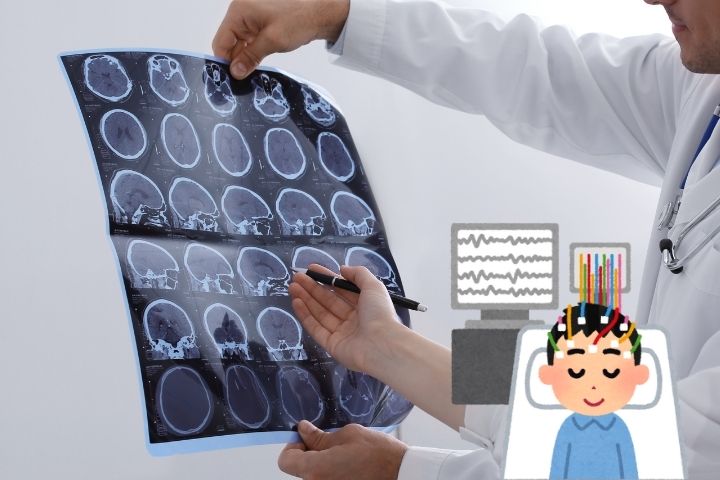
The diagnosis needs speed and accuracy. The patient undergoes a series of tests to find the cause and check the brain.
A typical plan includes:
- A quick neurological exam
- Blood tests for infection or imbalance
- CT scan to find injury or bleeding
- MRI for deeper brain study
- EEG to measure electrical activity
These tests help the doctor understand where the seizure came from and what part of the brain is stressed. Some patients need continuous EEG because the seizures remain silent yet still dangerous.
Neurosurgery Treatment in Dwarka, Delhi for seizure
The aim of treatment is simple. Stop the seizure before the brain gets damaged. Doctors use medicines first. These drugs calm the electrical storm in the brain.
The first line medicines often include benzodiazepines. If the seizure continues, doctors give stronger anti-seizure drugs. Many patients respond well, but some require a deeper treatment plan. In these cases, the medical team may use anesthesia to slow brain activity until the seizure stops.
Every second matters. A neurosurgeon in Delhi may join the team if the seizures link to structural problems in the brain. In those cases, surgery plays a key role.
When NeuroSurgery in Delhi Becomes essential?
Not every patient needs surgery. But some do. It depends on the cause. If the brain has a tumor, scar tissue, bleeding, or a lesion that triggers the seizure, surgery may offer relief.
Status epilepticus surgery in Delhi is performed only after stable control of the seizure. Surgeons prefer to treat the main trigger once the emergency phase ends. This approach protects the brain from further stress.
A few situations where surgery helps include:
- Brain tumors
- Severe head injury
- Arteriovenous malformations
- Chronic epilepsy with focus areas
- Bleeding in the brain
The best neurosurgeon in Delhi explains the options to the family. Every step is planned with caution. Surgery supports long-term care and reduces future risk.
Recovery After Status Epilepticus
Recovery differs for each patient. Some get better fast. Some need weeks. Some need therapy. The brain takes time to regain normal function. Memory may feel slow. Balance may feel weak. Mood changes may appear.
Doctors usually plan a follow-up schedule. This includes regular EEG tests, medicine checks, and imaging studies. Therapy teams help patients regain strength. Families also get guidance on how to handle stress and prevent further episodes.
The best neurosurgeon in Dwarka often tells families to watch early signs of seizures. With early action, the risk of another status epilepticus episode falls sharply.
Long-Term Risks You Should Know
Not every case leads to long-term harm. But the risk stays present. The harm depends on how long the seizure lasted, the cause, the treatment time, and the patient’s age.
Some long-term risks include:
- Learning difficulty
- Behavioral changes
- Memory loss
- Weakness in limbs
- Speech problems
- Increased risk of future epilepsy
These risks make early treatment the most important part of care. The brain heals well when the episode ends early.
How Families Can Lower the Risks
Families play a major role. They help with medicine schedules. They watch early warning signs. They keep track of mood changes or missed doses.
Here are helpful steps:
- Keep medicines on time.
- Maintain sleep schedule.
- Avoid alcohol.
- Keep doctor visits regular.
- Seek help for fever in children fast.
- Watch for sudden confusion.
Small steps protect brain health. They stop small problems from becoming big emergencies.
Status epilepticus is dangerous because the brain cannot tolerate long seizures. The risk rises every minute. Treatment helps the brain recover and reduces long-term harm. The best neurosurgeon in Delhi will always aim to end the seizure fast, find the cause, and plan long-term care.
If you or a loved one needs expert care for status epilepticus treatment in Delhi, the Center for Brain and Spine offers advanced neurology and neurosurgery services. The team provides accurate diagnosis, emergency support, and specialized care for complex seizure conditions. The goal is simple and clear: protect the brain, restore function, and help patients heal with confidence.
FAQs
Yes, it can. The risk rises when the seizure lasts longer. The brain needs steady oxygen. A long seizure disrupts that flow. If treatment reaches the patient late, the chance of harm increases. Early care keeps the brain safer and reduces long-term damage.
No, not all patients do. Surgery is used only when a clear structural cause triggers the seizure. Tumors, injuries, or brain lesions may need surgical correction. Most patients respond to medicine. A neurosurgery specialist in Delhi guides the family based on scans and tests.
The right time is at five minutes. If the seizure passes this point, it becomes an emergency. Status epilepticus can harm the brain, so quick help is vital. Call emergency services and take the person to a hospital without delay.